Tài Liệu Học Tập
No Result
View All Result
  • Đề Thi
  • Lớp 12
    • Lịch Sử Lớp 12
    • Địa Lí Lớp 12
    • Ngữ Văn Lớp 12
    • GD KTPL Lớp 12
    • Toán Lớp 12
    • Tiếng Anh Lớp 12
    • Hóa Học Lớp 12
    • Sinh Học Lớp 12
    • Vật Lí Lớp 12
  • Lớp 11
    • Toán Lớp 11
    • Ngữ Văn Lớp 11
    • Tiếng Anh Lớp 11
    • Hóa Học Lớp 11
    • Sinh Học Lớp 11
    • Vật Lí Lớp 11
    • Lịch Sử Lớp 11
    • Địa Lí Lớp 11
    • GDCD Lớp 11
  • Lớp 10
    • Toán Lớp 10
    • Ngữ Văn Lớp 10
    • Tiếng Anh Lớp 10
    • Hóa Học Lớp 10
    • Sinh Học Lớp 10
    • Vật Lí Lớp 10
    • Lịch Sử Lớp 10
    • Địa Lí Lớp 10
    • GDKTPL Lớp 10
    • Công nghệ lớp 10
    • Tin Học Lớp 10
  • Lớp 9
    • Toán Lớp 9
    • Ngữ Văn Lớp 9
    • Tiếng Anh Lớp 9
    • Lịch sử và địa lý lớp 9
    • Khoa Học Tự Nhiên Lớp 9
    • GDCD Lớp 9
  • Lớp 8
    • Toán Lớp 8
    • Ngữ Văn Lớp 8
    • Tiếng Anh Lớp 8
    • Lịch sử và địa lý lớp 8
    • Khoa Học Tự Nhiên Lớp 8
    • GDCD 8
  • Lớp 7
    • Toán Lớp 7
    • Văn Lớp 7
    • Tiếng Anh Lớp 7
    • Lịch Sử Và Địa Lí Lớp 7
    • Khoa Học Tự Nhiên Lớp 7
  • Lớp 6
    • Toán Lớp 6
    • Văn Lớp 6
    • Tiếng Anh lớp 6
    • Lịch Sử và Địa Lí Lớp 6
    • Khoa Học Tự Nhiên lớp 6
  • Lớp 5
    • Toán lớp 5
    • Tiếng Việt Lớp 5
    • Tiếng Anh Lớp 5
    • Lịch Sử và Địa Lí Lớp 5
  • Lớp 4
    • Toán lớp 4
    • Tiếng Việt Lớp 4
    • Tiếng Anh Lớp 4
    • Lịch Sử và Địa Lí Lớp 4
  • Lớp 3
    • Toán lớp 3
    • Tiếng Anh Lớp 3
    • Tiếng Việt Lớp 3
  • Mẹo Hay
  • Tin tức
  • Liên Hệ
Tài Liệu Học Tập
No Result
View All Result
Home Văn học

Opitz G/BBB syndrome

by Tranducdoan
05/04/2026
in Văn học
0
Đánh giá bài viết

Opitz G/BBB syndrome is a genetic condition that causes several abnormalities along the midline of the body. “G/BBB” represents the first letters of the last names of the families first diagnosed with this disorder and “Opitz” is the last name of the doctor who first described the signs and symptoms. There are two forms of Opitz G/BBB syndrome, X-linked Opitz G/BBB syndrome and autosomal dominant Opitz G/BBB syndrome. The two forms are distinguished by their genetic causes and patterns of inheritance. The signs and symptoms of the two forms are generally the same.

Nearly everyone with Opitz G/BBB syndrome has wide-spaced eyes (ocular hypertelorismPhotograph of the face of a child with widely spaced eyes.). Affected individuals commonly have defects of the voice box (larynx), windpipe (trachea), or esophagusPhotograph of the face of a child with widely spaced eyes.. These throat abnormalities can cause difficulty swallowing or breathing, in some cases resulting in recurrent pneumonia or life-threatening breathing problems. A common defect is a gap between the trachea and esophagus (laryngeal cleft) that allows food or fluids to enter the airway. The cleft can vary in size, and infants may struggle to breathe when feeding. Most males with Opitz G/BBB syndrome have genital abnormalities such as the urethra opening on the underside of the penis (hypospadias), undescended testes (cryptorchidism), an underdeveloped scrotum, or a scrotum divided into two lobes (bifid scrotum). These genital abnormalities can lead to problems in the urinary tractPhotograph of the face of a child with widely spaced eyes..
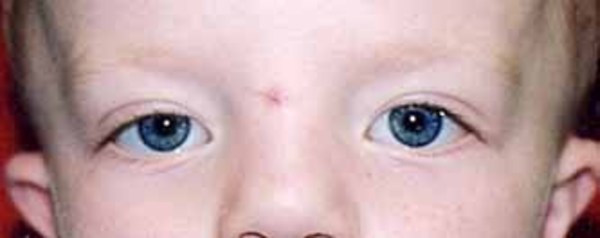
Mild intellectual disability and developmental delay occur in about 50 percent of people with Opitz G/BBB syndrome. Affected individuals have delayed motor skills, such as walking, speech delay, and learning difficulties. Some people with Opitz G/BBB syndrome have features of autistic spectrum disorders, which are characterized by impaired communication and socialization skills. About half of affected individuals also have an opening in the lip (cleft lipPhotograph of the face of a child with widely spaced eyes.) with or without an opening in the roof of the mouth (cleft palatePhotograph of the face of a child with widely spaced eyes.). Some have cleft palate without cleft lip. Less common features of Opitz G/BBB syndrome, affecting less than half of people with this disorder, include minor heart defects, an obstruction of the anal opening (imperforate anus), and brain defects such as a small or absent connection between the left and right halves of the brain (corpus callosumPhotograph of the face of a child with widely spaced eyes.). Distinct facial features that may be seen in this disorder include a prominent foreheadPhotograph of the face of a child with widely spaced eyes., widow’s peak hairlinePhotograph of the face of a child with widely spaced eyes., flat nasal bridge, thin upper lipPhotograph of the face of a child with widely spaced eyes., and low-set ears. These features vary among affected individuals, even within the same family.

Previous Post

Top 25 Đề thi Hóa học 11 Giữa kì 1 năm 2026 (cấu trúc mới, có đáp án)

Next Post

Trạng từ chỉ địa điểm: Định nghĩa, cách dùng và phân loại chi tiết nhất

Tranducdoan

Tranducdoan

Trần Đức Đoàn sinh năm 1999, anh chàng đẹp trai đến từ Thái Bình. Hiện đang theo học và làm việc tại trường cao đẳng FPT Polytechnic

Next Post

Trạng từ chỉ địa điểm: Định nghĩa, cách dùng và phân loại chi tiết nhất

đọc sách online cm88 Ca Khia TV trực tiếp XoilacTV 88vv Socolive trực tiếp sumclub https://www.intermedio.io/ tructiepbongda Xoilac Xoilac365 cakhia tv Trực tiếp bóng đá 90phut i9bet.us.com jbo Nhà cái M88 Mansion Xoilac fly88 https://p789bet.biz/ fly88 max79
Tài Liệu Học Tập

Copyright © 2022 Tài Liệu Học Tập.

Chuyên Mục

  • Đề Thi
  • Lớp 12
  • Lớp 11
  • Lớp 10
  • Lớp 9
  • Lớp 8
  • Lớp 7
  • Lớp 6
  • Lớp 5
  • Lớp 4
  • Lớp 3
  • Mẹo Hay
  • Tin tức
  • Liên Hệ

Tham Gia Group Tài Liệu Học Tập

No Result
View All Result
  • Đề Thi
  • Lớp 12
    • Lịch Sử Lớp 12
    • Địa Lí Lớp 12
    • Ngữ Văn Lớp 12
    • GD KTPL Lớp 12
    • Toán Lớp 12
    • Tiếng Anh Lớp 12
    • Hóa Học Lớp 12
    • Sinh Học Lớp 12
    • Vật Lí Lớp 12
  • Lớp 11
    • Toán Lớp 11
    • Ngữ Văn Lớp 11
    • Tiếng Anh Lớp 11
    • Hóa Học Lớp 11
    • Sinh Học Lớp 11
    • Vật Lí Lớp 11
    • Lịch Sử Lớp 11
    • Địa Lí Lớp 11
    • GDCD Lớp 11
  • Lớp 10
    • Toán Lớp 10
    • Ngữ Văn Lớp 10
    • Tiếng Anh Lớp 10
    • Hóa Học Lớp 10
    • Sinh Học Lớp 10
    • Vật Lí Lớp 10
    • Lịch Sử Lớp 10
    • Địa Lí Lớp 10
    • GDKTPL Lớp 10
    • Công nghệ lớp 10
    • Tin Học Lớp 10
  • Lớp 9
    • Toán Lớp 9
    • Ngữ Văn Lớp 9
    • Tiếng Anh Lớp 9
    • Lịch sử và địa lý lớp 9
    • Khoa Học Tự Nhiên Lớp 9
    • GDCD Lớp 9
  • Lớp 8
    • Toán Lớp 8
    • Ngữ Văn Lớp 8
    • Tiếng Anh Lớp 8
    • Lịch sử và địa lý lớp 8
    • Khoa Học Tự Nhiên Lớp 8
    • GDCD 8
  • Lớp 7
    • Toán Lớp 7
    • Văn Lớp 7
    • Tiếng Anh Lớp 7
    • Lịch Sử Và Địa Lí Lớp 7
    • Khoa Học Tự Nhiên Lớp 7
  • Lớp 6
    • Toán Lớp 6
    • Văn Lớp 6
    • Tiếng Anh lớp 6
    • Lịch Sử và Địa Lí Lớp 6
    • Khoa Học Tự Nhiên lớp 6
  • Lớp 5
    • Toán lớp 5
    • Tiếng Việt Lớp 5
    • Tiếng Anh Lớp 5
    • Lịch Sử và Địa Lí Lớp 5
  • Lớp 4
    • Toán lớp 4
    • Tiếng Việt Lớp 4
    • Tiếng Anh Lớp 4
    • Lịch Sử và Địa Lí Lớp 4
  • Lớp 3
    • Toán lớp 3
    • Tiếng Anh Lớp 3
    • Tiếng Việt Lớp 3
  • Mẹo Hay
  • Tin tức
  • Liên Hệ

Copyright © 2022 Tài Liệu Học Tập.