
9. Children are capable.As children become accustomed to assigned household tasks, they start seeing themselves as capable—and that builds confidence. Furthermore, they come to see themselves as agents of change, which feeds into their sense of citizenship. All that peeling and chopping means that the whole family gets to enjoy a delicious and nourishing meal, and they contributed to it.
8. Children need to learn consequences.Delegating tasks helps children understand that their decisions affect them. You forgot to put your dirty clothes in the laundry? Well, that’s why your soccer uniform isn’t clean. There are also positive consequences: remembering to water the family vegetable garden means fresh food and herbs are available for dinner.
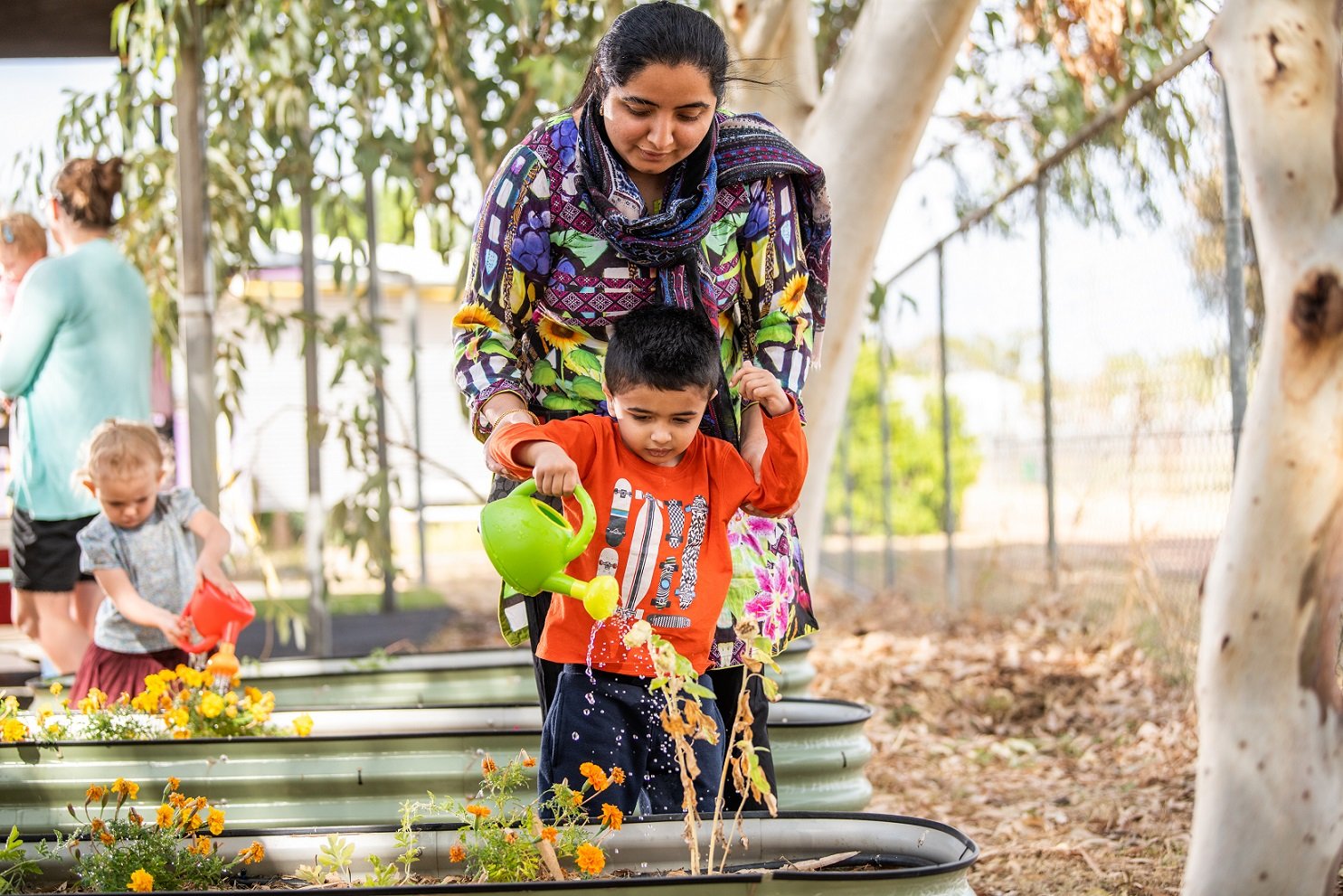
7. Children need to learn self-care skills.It may seem obvious, but your child won’t learn how to be self-sufficient if they never learn how to do something on their own. By teaching your children how to make their beds and assemble their own lunches, you know that they’ll be able to meet their basic needs even when you’re not hovering over their shoulder.
6. Children will develop empathy.According to psychologist Richard Weissbourd, chores teach children more than just hard work and mastery. Children have an innate desire to be helpers and chores build on this by teaching them how to take care of others, which creates empathy and responsiveness.
“…we need to create more settings where children engage in traditions and rituals that build appreciation and gratitude and a sense of responsibility for one’s communities, and that enable them to practice helpfulness and service.” The Children We Mean to Raise, Harvard Graduate School of Education 2020
5. Children will build self-esteem. By assigning tasks that gear your children up for success, you’re giving them an opportunity to experience accomplishment and feel positive self-worth. They will know that they can contribute to the family, begin to take care of themselves and master important life skills. Children become aware of the sequence of cause-and-effect by taking on responsibilities, fulfilling obligations and completing tasks, then receiving recognition and praise from people they care about.
4. Chores prepare children for success.Studies have shown that kids who do chores become adults that work well in collaborative groups. Taking on hard work builds a foundation for developing a “can-do” attitude – which supports success in the workplace and in interpersonal relationships.
“The best predictor of young adults’ success in their mid-20’s was that they participated in household tasks when they were three or four.” The Worry Solution, Martin Rossman M.D.

3. Children learn delayed gratification. Whenever adults choose to work for a later or larger goal, we are modelling the value of delayed gratification. This might include saving up for a family holiday or making something when it’s easier to buy it. Psychologist Daniel Goleman, Ph.D., acknowledges that children who defer gratification, grow into young adults who are more socially competent, better able to cope with frustration, more dependable, more academically successful, and better at setting and reaching long-term goals.
2. Doing chores cultivates a sense of community.Children crave a sense of belonging; contributing to a community (the household) will help them feel important and included. This also promotes an early teaching of intrinsic motivation; children learn that satisfaction feels as great as eating lollies! “By making [children] do chores—taking out the garbage, doing their own laundry—they realize, I have to do the work of life in order to be part of life. It’s not just about me and what I need at this moment, but that I’m part of an ecosystem. I’m part of a family. I’m part of the workplace.”
How to Raise an Adult, Julie Lythcott-Haims

1. Chores provide an opportunity for connection. You may not think that shared responsibilities mean spending quality time together, but you never know what might come up as you fold laundry or wash the car together. Meaningful exchanges can quietly emerge whenever you spend time with your child, even when washing dishes, weeding the garden, or walking the dog side-by-side. These valuable moments provide tranquil time for “serve and return” interactions. They are collaborative exercises which can continue to strengthen our relationships as our children grow into their teenage years.

